Home/ The Hüüru project
The building
at Hüüru.
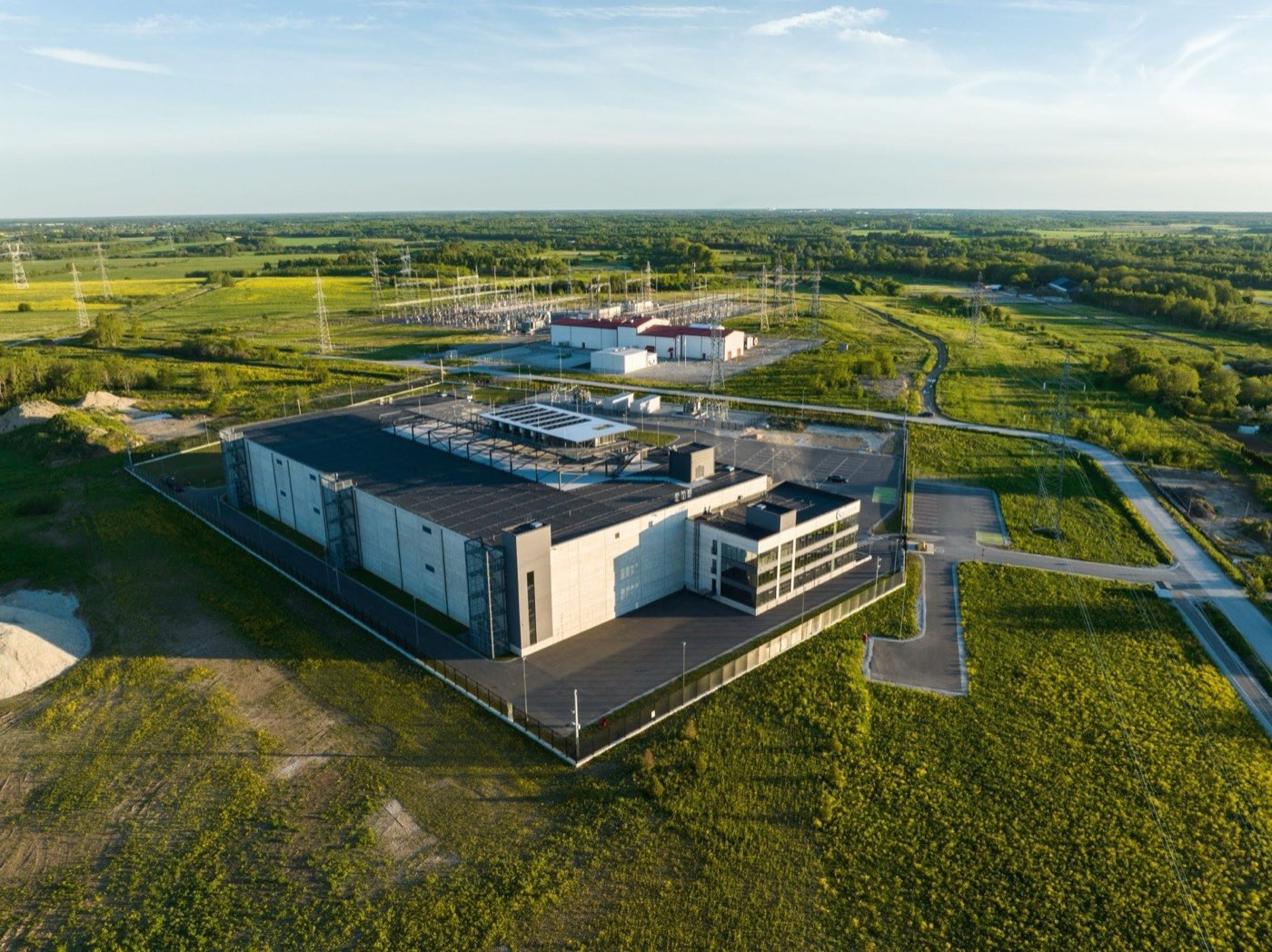
Running since 2022, twenty minutes west of Tallinn, now being upgraded so AI computers can be installed inside it. What is documented in public sources, and separately what is not.
01The facility
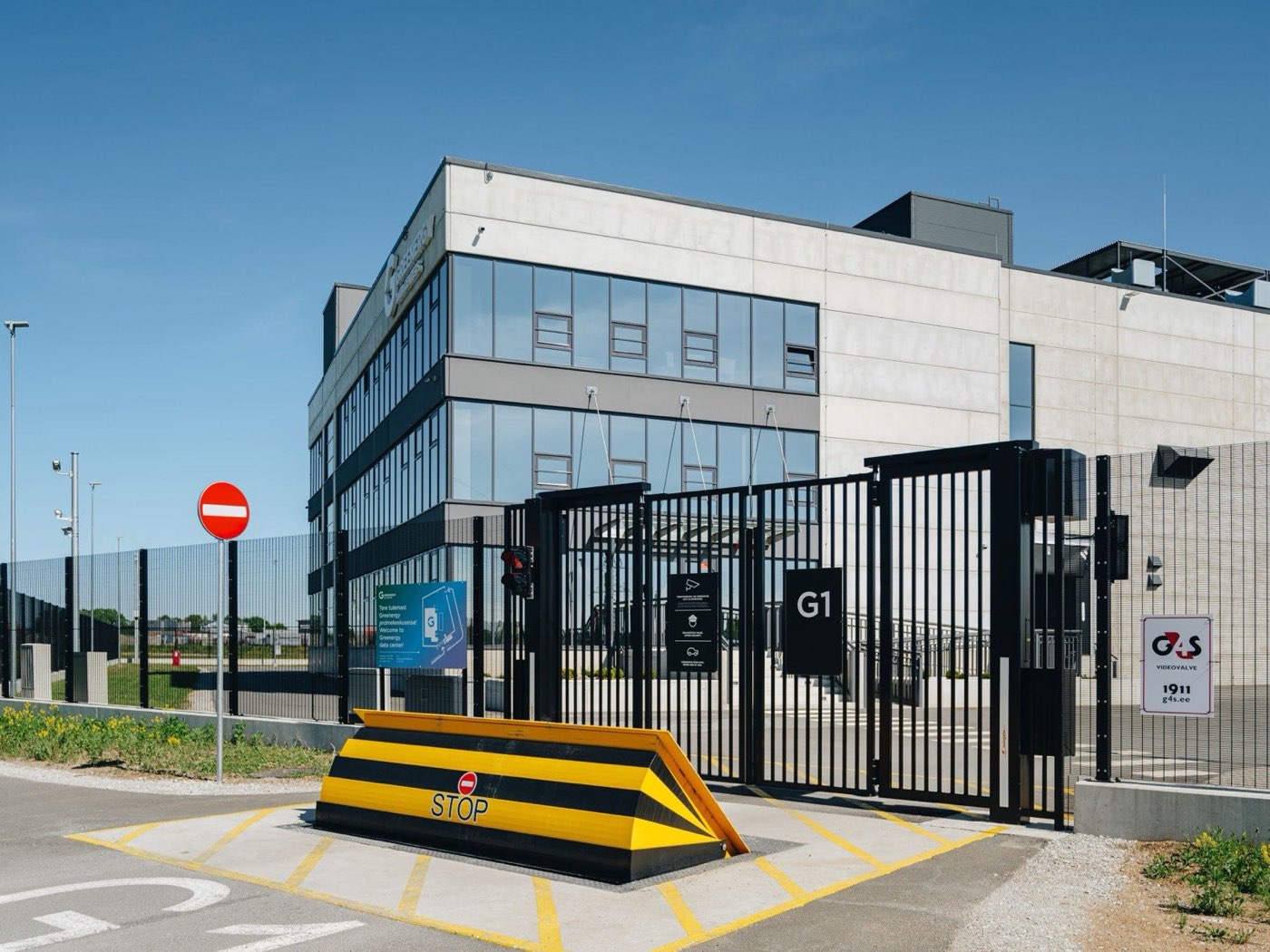
What the operator publishes about the building.
02The AI upgrade
About €200 million, spent mostly inside a building that already exists.
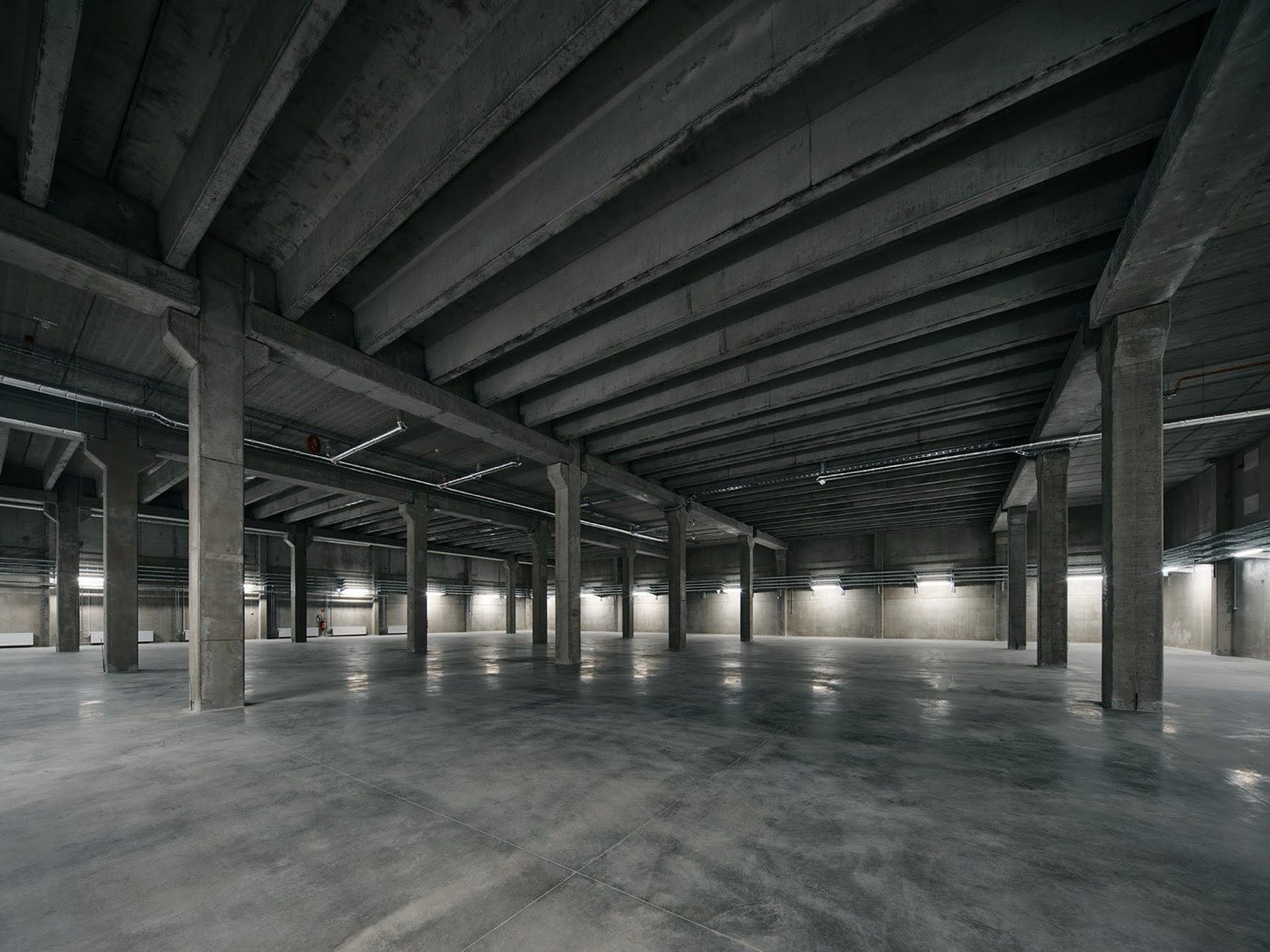
The same walls. New space inside them, built for cabinets that draw ten times what the old ones do.[2]
03Who owns it
Two shareholders, one supervisory board.
Some coverage says Tensor Estate owns the data centre. The announcement is more precise: it is a minority shareholder in MCF Group Estonia, and the Three Seas Initiative Investment Fund remains the majority.[5]
Named people
Miko Niinemäe heads Tensor Estate. Kert Evert is founder and chief development officer of Greenergy Data Centers, and Tõnu Grünberg is chief executive.[2][4]
Estonian investors named in reporting
Reported as the entrepreneurs behind close to €100 million of the funding.[6]
04The honest part
What is not public, and what we refuse to guess.
How much of the 31.5 MW is for AI
The figure covers the whole campus and predates the AI programme.
Whether liquid cooling is installed
The operator describes duplicated cooling, but does not specify direct liquid cooling.[3]
Whether waste heat is reused
Cited as an Estonian opportunity in general, with no confirmation for this site.[1][17]
Phase capacity
No source, including third party registries, breaks the 31.5 MW total into phases. What ships first and what comes later is not public.[16]
Customers and pricing
Described only as primarily Estonian so far. No names, contracts or prices are public.[2]
05The country case
Why anyone would build this in Estonia.
Published by Tensor Estate, a party with an interest in the answer. Listed as their claims, not as neutral findings.[1]
Tensor Estate presents Estonia as 66% renewable, which describes what the country generates.[1] Elering puts renewables at 68% of production but only 41% of consumption for 2025, because Estonia imports a large share of what it uses.[18] For a data centre, the consumption figure is the honest one unless the site buys renewable supply under contract, as Greenergy says it does.[3]
On 8 February 2025 the Baltic states left the Russian-controlled BRELL system, and synchronised with the Continental European grid the next day, without blackouts.[19] It is the largest change to Estonia's electricity picture in decades, and it happened after most published comparisons were written.
Construction figures are attributed to Eurostat price level indices for 2024.[1]